
Introduction
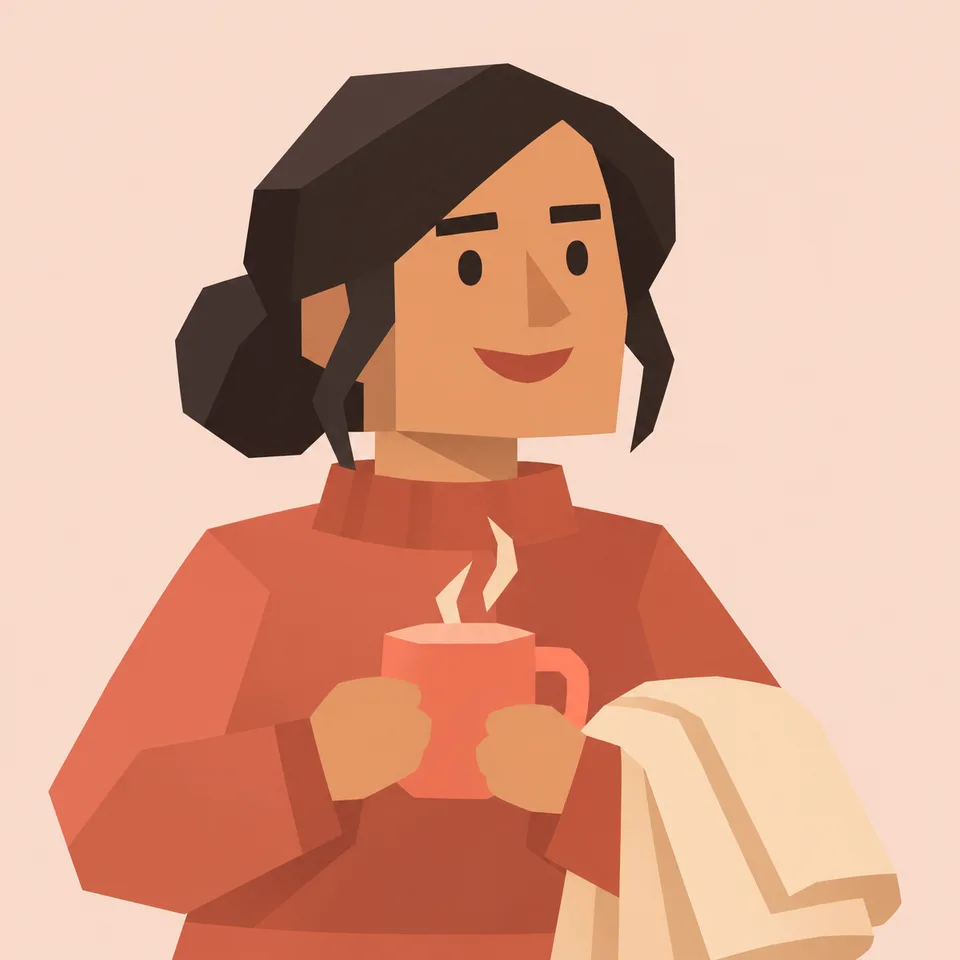
You noticed the person standing by the coat rack before you had finished taking off your own coat. Someone's glass was empty, someone's cousin knew nobody, and by the time the cake came out you had said hello to both, found a chair and made an introduction. You remember birthdays, allergies and who stopped speaking to whom. You like a plan with a time on it, a dish someone is bringing and a reason to get everyone into one room. You're at your best when the room is warm and you helped make it so. That reads as Outgoing, Hands-on, Heart and Planned. Here is what it looks like from the inside.
How you move through a day
Your phone is a calendar with people in it. The reminder says "call Marta, her exam was today", and you do, that evening, before she has to wonder. The group chat for Saturday's lunch is yours: you picked the date, counted the chairs and asked who can't eat what. Nobody asked you to. It would have felt odd to leave it to anyone else.
At work you tend to know how everyone is doing without anyone having held a meeting about it. You read a face across the table and adjust: a softer tone here, a coffee brought over there. You like a task with a clear owner and a day on it, and more often than not you'd rather finish today's list than start something grand.
At home, things have places. The good plates are for guests, the spare key lives with the neighbor, and the fridge holds something for whoever turns up unannounced. When people are coming over, you start getting ready a little earlier than you'd admit. Surprises are fine, especially the ones you planned.
What you're good at
You make people feel expected. Walk into a room you've organized and the shy one already has a seat, the new one has been introduced, and nobody has to ask where the bathroom is.
You keep the small promises. The thing you said you'd bring arrives on time, in a container someone can keep. Over a year, that adds up to trust, and people lean on it without noticing.
You read a mood early. When a conversation is about to tip into an argument, you've already changed the subject or handed someone a plate.
And one you probably don't count: you remember. What a friend's mother is recovering from, which song made someone cry a few summers ago. Remembering is a kind of attention, and people feel it long after they've forgotten what you said.
What it costs you
You notice what everyone needs, and you start meeting it before anyone asks. So at the end of the party you're the one stacking plates while the others sit, and nobody saw the evening you actually had. The price is your own rest, and sometimes your own wish: it's been a while since you said what you wanted for dinner. It goes better when one thing on the evening's list is there for you.
You like a plan, because a plan means nobody gets left out. When it changes at the last minute, a friend cancels or the venue falls through, it lands as more than a scheduling problem. You spend the evening patching instead of enjoying, and the good mood you'd been saving goes to the repair.
You keep the peace. When two people at the table are heading for a disagreement, you step in, smooth it, and swallow your own opinion on the way. Three days later you notice you were annoyed, and nobody knows what about, including the people who would have wanted to hear it.
Love and closeness
You start with attention. You remember how they take their coffee, you ask about the thing they were worried about last week, and you make the first plan. For you, closeness is built out of small, repeated, visible things.
You show love by arranging it: the dinner booked, the sweater packed for the trip, the mother-in-law handled gracefully. A partner may miss that you also want some of that coming back. You say "I'm fine" and hope to be asked twice. Saying "I'd like this" plainly costs you more than cooking for twelve, and it's worth the price.
You need time with your person, not only time with your people. A calm evening with the phone face down tells you both that the calendar can wait.
Friends
Many, and tended. You're the friend who organizes the reunion, sends the photo from last time and remembers the anniversary of the thing that went badly. Your circle has different rooms: the old neighbors, the work lot, the people from the class. Somehow they all know each other a little, because you introduced them.
What you're good at is being the one a friend calls on the hard day, and the one who turns up with food. What costs you is the friend who never sends the first message back, because you keep a quiet tally you'd rather not keep.
Work and getting things done
You do your best work in a room with people in it, on something with an owner, a date and a result someone will use. Give you a team to hold together, a new colleague to settle in, an event to run or a process that keeps people from falling through the cracks, and things get quietly smoother.
What drains you: constant reorganizing with no reason given, cold feedback delivered in public, and a team where nobody says what they're feeling and everyone suffers politely. What helps: clear roles, a thank-you now and then, and a manager who says so when things are going well.
Teams get the most from you when they ask what the room needs. You'll know. Say thanks before the end of the project, not after.
If you're close to one
Tell them what you'd like, in words. They may be reading your face and the plan and the way you set the table, and they're good at it, but they would still rather hear it. Notice what they did, not only what they said; the effort is the message. A "thank you, I saw that" goes a long way. When they say "it's fine", ask once more, kindly, and then wait.
The two letters still to come
Two letters are still to come. One says how things reach you under pressure: Steady or Sensitive. The other says who you turn to when it's hard: people, or yourself, Collaborative or Self-reliant. The four Hearths differ more than you'd expect. And if one of your four letters landed in between, read the neighbor too; both of them are you.
One letter away
- ISFJThe Confidant
Same warmth, quieter room. The Confidant tends one person at a time; you tend the whole table.
- ENFJThe Guide
Same host energy, aimed at what a person could become. The Guide looks ahead; you look at who needs a plate now.
- ESTJThe Conductor
Same plan, same follow-through. The Conductor weighs the result first; you weigh how everyone is taking it.
- ESFPThe Bonfire
Same warm table, no schedule. The Bonfire says yes to tonight; you've already booked the table for Saturday.
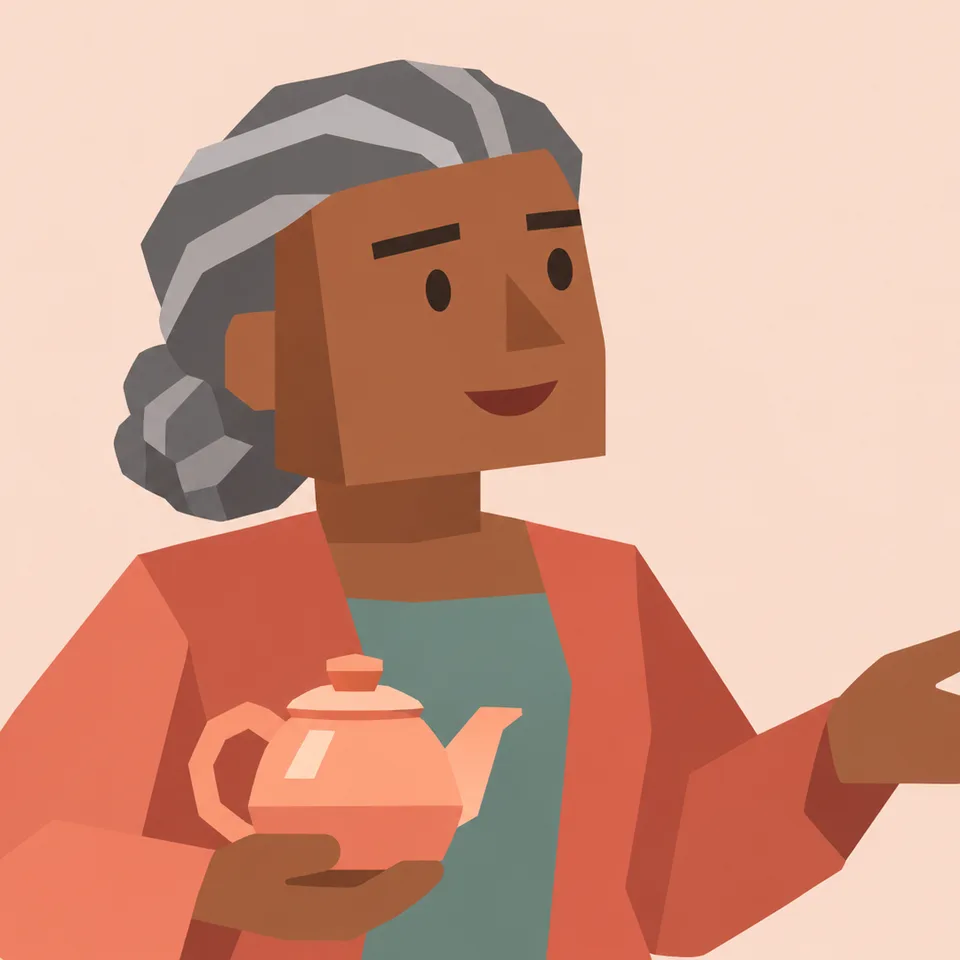 ESFJ-AC
 ESFJ-AS
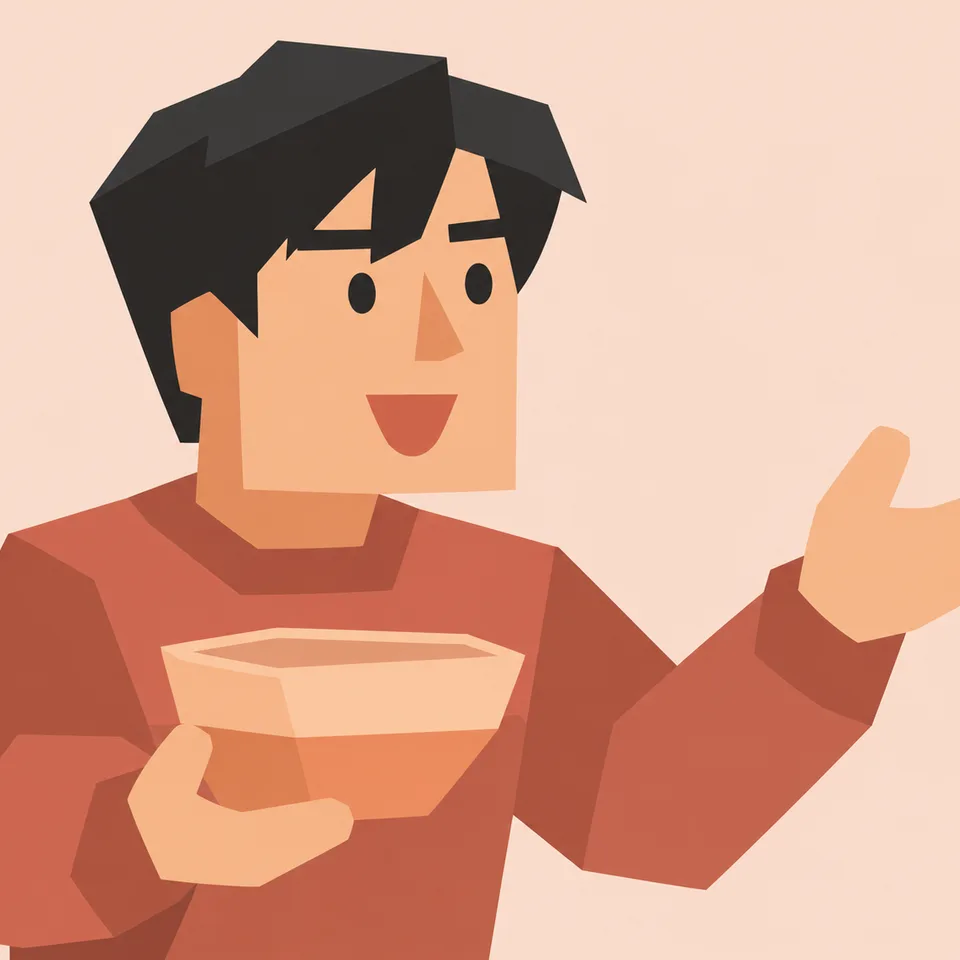 ESFJ-TC
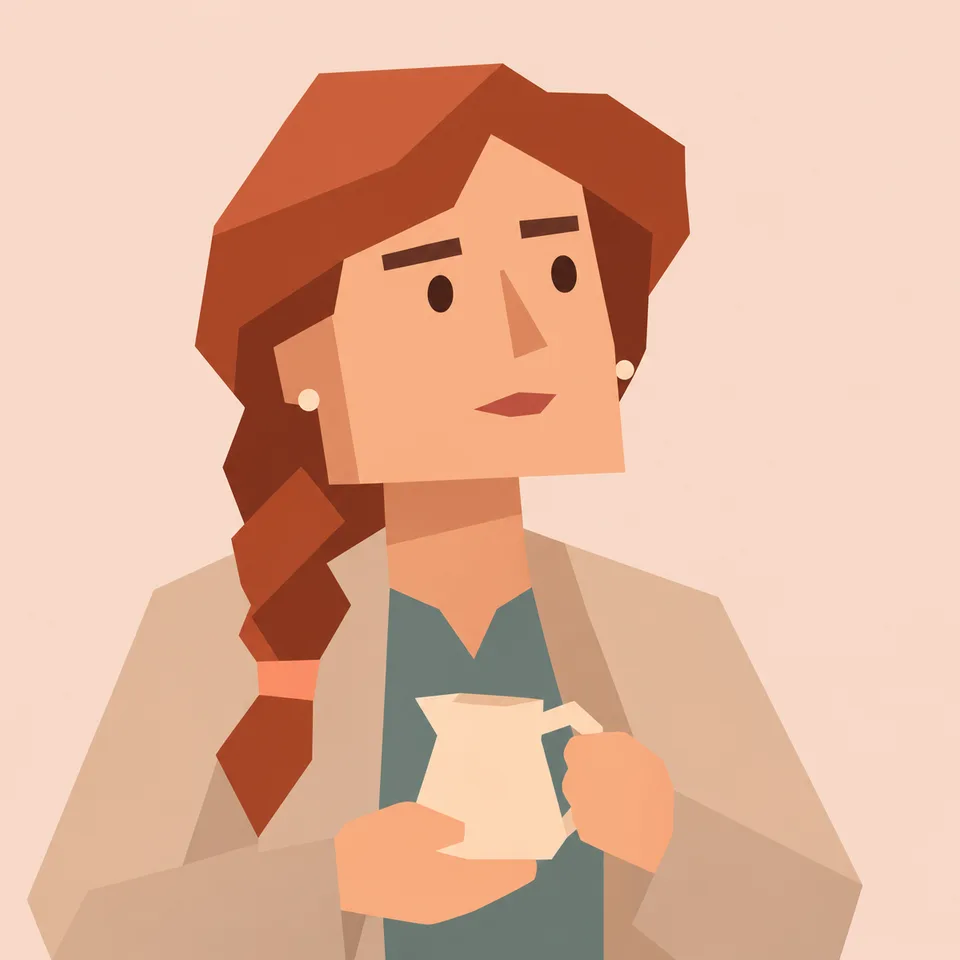 ESFJ-TS