

Introduction
You noticed that one person at the table hadn't said a word, and you had turned your chair a few degrees toward them before you knew why. You walk ahead and keep looking back to see that everyone is coming. Ideas and people, mostly, and often at once. You go toward a room, you read what it needs, you let people's feelings weigh in before the facts do, and you like the week best when it already has a shape. That reads as Outgoing, Intuitive, Heart and Planned. Here is what it looks like from the inside.
How you move through a day
A normal day starts with who's on your mind. A friend has an interview at ten, so the message goes out at eight, not at nine. The group chat is where you ask who's coming Saturday and then, quietly, who isn't and why. Your replies tend to be warm, quick and a little longer than they needed to be.
At work you're the one who ends the meeting with "so who's doing what, by when", and who noticed the new person waiting for a gap to speak. In a crowd you're easy, and more often than not you leave knowing three things about everyone. You think out loud, and the plan improves by the end of the sentence.
Home runs on a list, or a calendar, or both. Dinner on Thursday, a call to your mother on Sunday. A free evening is welcome, and you'll probably give half of it to someone. You like to leave a place a little tidier than you found it, the shared kitchen at the office included.
What you're good at
You make people feel noticed. You remember the dog's name, the date of the exam, the thing they said they were afraid of, and you bring it up at the right moment. It isn't a technique. It's attention.
You can see where a group is heading before it gets there. You say "I think we're about to argue about something else", and the room lets out a breath.
You turn a vague wish into a plan with names on it. People who had wanted to do something for a year find themselves doing it on Saturday.
And one you probably don't count: you can say a hard thing kindly. You find the sentence that is true and still leaves the door open, and people walk away from the conversation still wanting to try.
What it costs you
You keep track of what everyone needs, so what you need arrives last, and sometimes not at all. A friend is in the middle of a bad month, you are in the middle of one too, and the evening goes to theirs. They never knew. It goes better when one person gets the real answer to "how are you".
A plan feels like care, so you make one for people who hadn't asked. The trip is arranged, the schedule generous, and someone quietly wanted a free afternoon. They said yes to be kind, you took the yes at its word, and the price is a closeness that was a little arranged.
A no from someone close can land as a verdict on the whole friendship, not on the Saturday. So you soften your own asks until they hardly register, and then nobody helps. The help you wanted was never actually requested.
Love and closeness
You start with attention. You ask the second question, the one after "how was your day", and you remember the answer next week. You like to know where this is going and would rather say so than leave it floating, which can arrive earlier than the other person expected.
You show love by making things happen: the weekend built around what they've been wanting, the thing they mentioned once, the introduction to the right person. A partner may miss that you also want to be looked after, because you rarely look like you need it. Saying so plainly, once, does more than hinting for a month.
Time alone isn't about them. It's where you find out what you think when nobody else's feelings are in the room.
Friends
Many, and several of them close. You're the one who organizes the dinner, remembers the birthday and keeps three groups from drifting apart. People bring you the problem they haven't told anyone, and leave lighter. You're the friend for the big decision, the bad news and the toast. What gets thin is the other direction: friends who'd gladly carry something for you and don't know there's anything to carry. Those friendships deepen the day you let one of them see it.
Work and getting things done
You do your best work where people are the material: leading a team, teaching, onboarding, negotiating, running a project that needs everyone pointed the same way. Hand you a messy group and a goal and you'll find the order in it. You like deadlines and shared calendars, because they're how care becomes real.
What drains you: cold rooms where nobody says what they think, work with no visible person at the other end, and being the only one holding the group's mood. What helps: a clear role, a team that says things out loud, and someone who asks what you want, not only what you can take on.
Teams can read your "yes" as generous, and now and then check that it's also a yes for you.
If you're close to one
Ask how they are, then wait for the second answer; the first is usually "fine, and you?". Notice what they've done for you unasked, and say it back. They can take a no, and it helps to hear one early, kindly and plainly. Their planning isn't control; it's how they say they thought of you. Offer to carry something small before they ask.
The two letters still to come
Two letters are still to come. One says how things reach you under pressure: Steady or Sensitive. The other says who you turn to when it's hard: people, or yourself. The four Guides differ more than you'd expect. And if one of your four letters landed in between, read the neighbor too; both of them are you.
One letter away
- INFJThe Lighthouse
Same care, quieter. The Lighthouse lights the way from a distance; you walk down the road with everyone.
- ESFJThe Hearth
Same warm room, closer to the table. The Hearth tends what's here today; you're already tending what it could become.
- ENTJThe Strategist
Same lead, different first question. The Strategist asks what will work; you ask who it's for.
- ENFPThe Firefly
Same people, looser grip. The Firefly follows what lights up today; you've already booked Thursday.
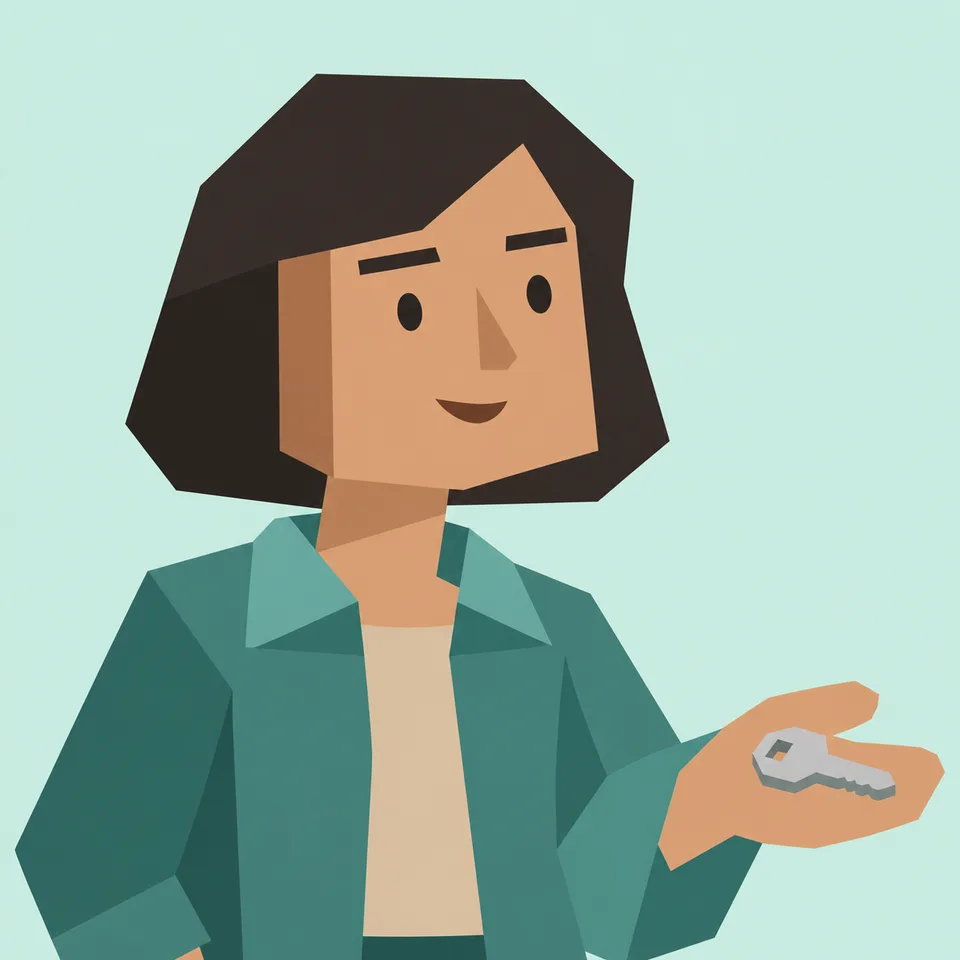 ENFJ-AC
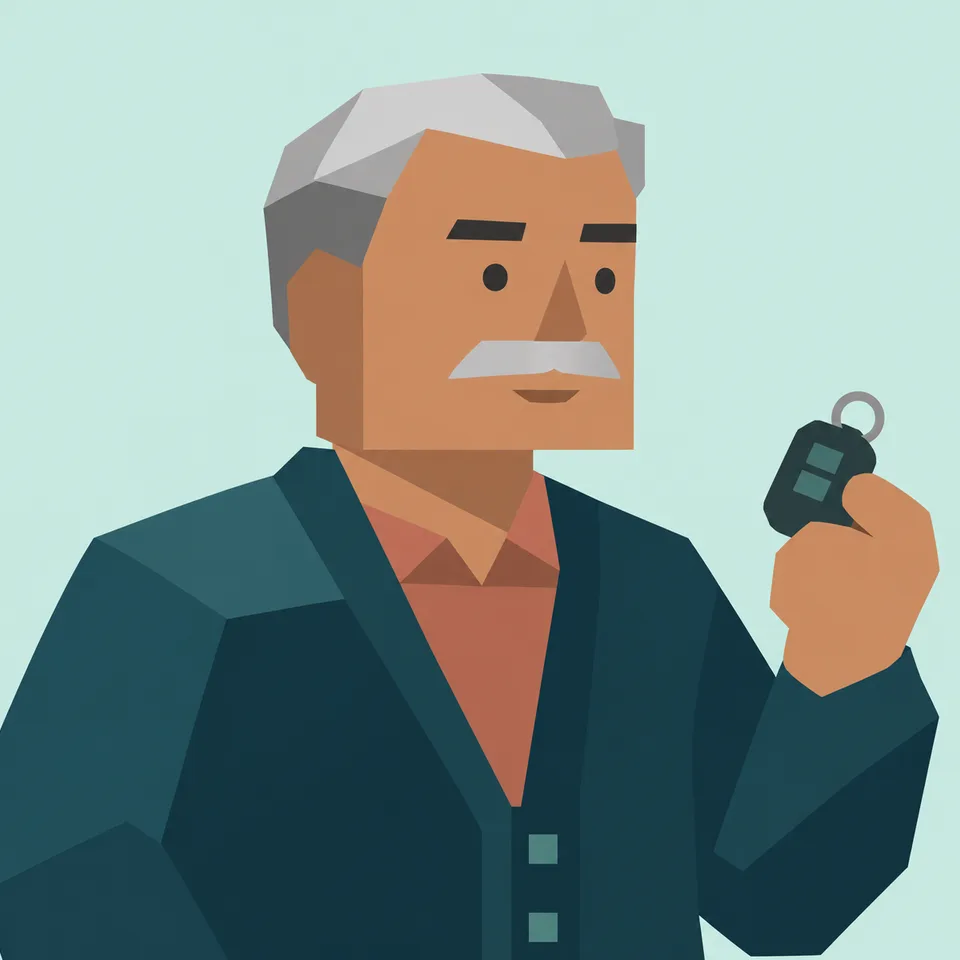 ENFJ-AS
 ENFJ-TC
 ENFJ-TS