Introduction
Something in the house stopped working, and you were already on the floor with the cover off before anyone had finished saying what was wrong. You like to know how a thing is put together, and you like to find out with your hands. You keep to yourself, you trust what you can touch, you check what's true before you check what's kind, and you'd rather decide on the day than on paper. That reads as Reserved, Hands-on, Head and Flexible. Here is what it looks like from the inside.
How you move through a day
A normal day starts with the thing in front of you. The tap that drips, the laptop that runs hot, the shelf that isn't level. You're not hunting for projects; they find you, and you'd rather fix it than hear it described. Your phone lives face down. A message gets answered when there's something to say, and "ok" is a complete answer.
At work you're the one people walk over to when the system does something strange. You don't explain first. You look, try one change, look again. Meetings are fine when they decide something and long when they just circle. In a group you tend to watch first, and when you speak it's short and usually useful. Small talk is something you can do, the way you can do a long drive: fine for a while, then you want out of the car.
When it's your call, the plan stays loose. You say "let's see" and mean it, and the week gets built as it arrives. At home the tools have a place, even if nothing else does. You take the long way back on purpose, because the road is the point, and nobody needs to know where you went.
What you're good at
You stay level when something breaks. The car dies on the highway and you're already thinking about what it could be, in order, cheapest first. People around you borrow that order.
You learn by doing, so you learn fast and you keep it. Hand you a tool you've never seen and ten minutes later you know what it's for.
You say it short and straight. "That won't hold." "Try the other one." People know where they stand with you, and that saves everyone an hour.
And one you probably don't count: you notice what's actually there. The loose screw, the tone in the room that doesn't match the words, the fact everyone skipped. You don't make a speech about it. You move it a little, and the day goes better.
What it costs you
You'd rather do than explain. So the how stays in your head, and the people who could have learned it, or backed you up, find out when it's over. The thing works; nobody knows why; next time they call you again, at dinner, on a Saturday. It goes better when one sentence of the why travels with the fix.
You leave the plan loose, because the day usually knows more than the calendar. The price comes when the plan is someone else's: the trip, the birthday, the form with a date on it. It gets done at the edge of the deadline, in a rush you didn't want, and the good afternoon you could have had goes on catching up.
You keep what you feel to yourself and handle it with your hands. A rough week becomes a very tidy garage. The people close to you see the garage. They'd have liked a sentence, even a small one, and you'd have felt lighter for saying it.
Love and closeness
You start slowly and sideways: sharing a job, a drive, a bench, long before sharing a feeling. You're watching whether this person is easy to be quiet with. If they are, that's most of it.
You show love by doing. The squeaky door is fixed before it's mentioned twice; the car is ready before the trip. A partner may want the sentence said out loud too, and it will come out shorter and rougher than the fixing did. It still counts.
You need time that belongs to no one, a stretch where nobody expects a reply. It isn't about them. Say so early; a partner who knows it's weather and not a verdict can relax into it.
Friends
A few, and mostly side by side. You'd rather help a friend move a sofa than talk about the move. The friendship lives in the shared job: the bike, the match, the long drive with the music low. You can go weeks without a word and pick up mid-sentence. What you're less good at is the check-in with nothing behind it. What you're good at is turning up with the right tool the day it breaks, and not making it a favor.
Work and getting things done
You do your best work with something real in front of you that's stuck, and a free hand to try things. Give you a fault to trace and you'll trace it quietly and well. Give you a slide deck about the fault and the afternoon is gone.
What drains you: long meetings that decide nothing, being asked for a plan for the plan, praise with no specifics. What helps: a clear problem, room to try, and someone who trusts the result without asking for the working-out.
Teams get the most from you when they let you work and ask afterward. When a crisis comes, you're often the colleague who gets calmer.
If you're close to one
Hand them the problem, not the speech. Time beside them counts: the garage, the drive, the dishes side by side. Silence is rarely a message. If you want to know what's going on, ask a plain question and wait; the answer will be short, and it will be real. Plans with room in them land better than plans with a spreadsheet. When they fix something for you, that was the sentence.
The two letters still to come
Two letters are still to come. One says how things reach you under pressure: Steady or Sensitive. The other says who you turn to when it's hard: Collaborative or Self-reliant. The four Climbers differ more than you'd expect. And if one of your four letters landed in between, read the neighbor too; both of them are you.
One letter away
- ESTPThe Pilot
Same hands, out loud. The Pilot reads the road in company and at speed; you read it alone and slower.
- INTPThe Alchemist
Same cool head. The Alchemist wants to know how it works; you want to find out by making it work.
- ISFPThe Artist
Same quiet hands. The Artist weighs how it lands on people first; you weigh whether it holds.
- ISTJThe Anchor
Same bench, different calendar. The Anchor plans the job in advance; you decide on the day.
 ISTP-AC
 ISTP-AS
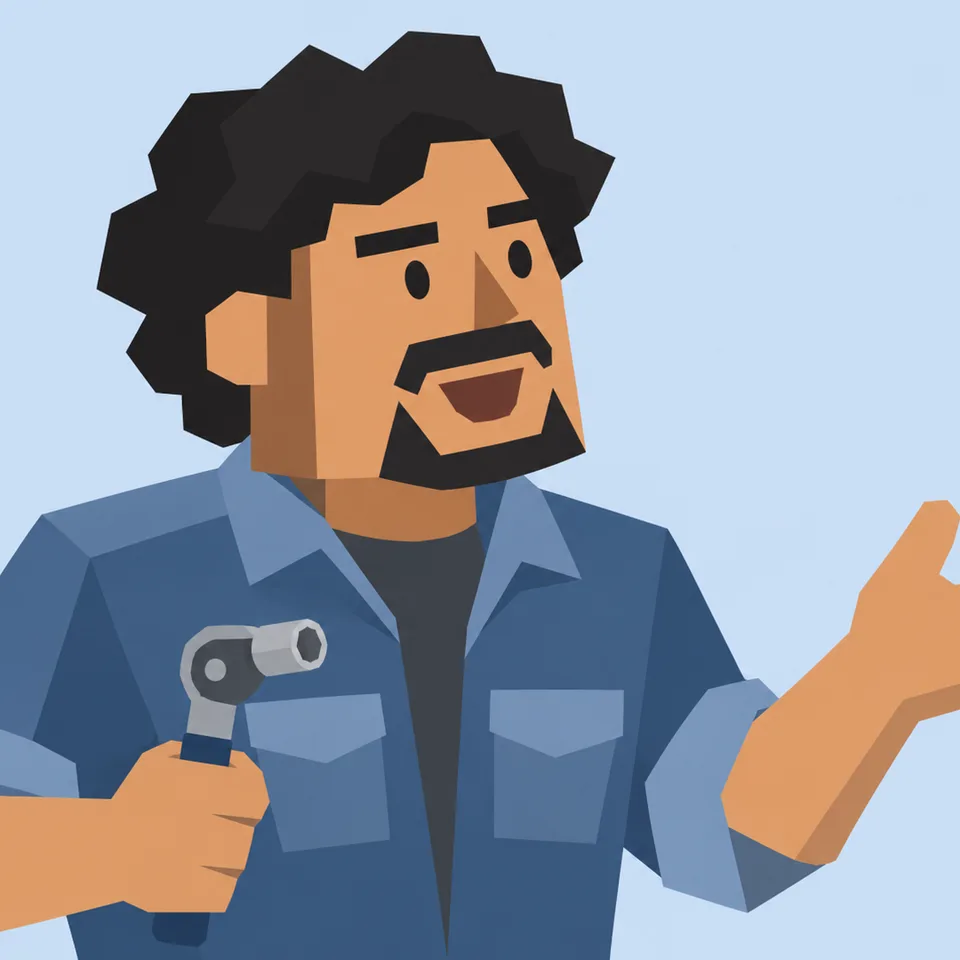 ISTP-TC
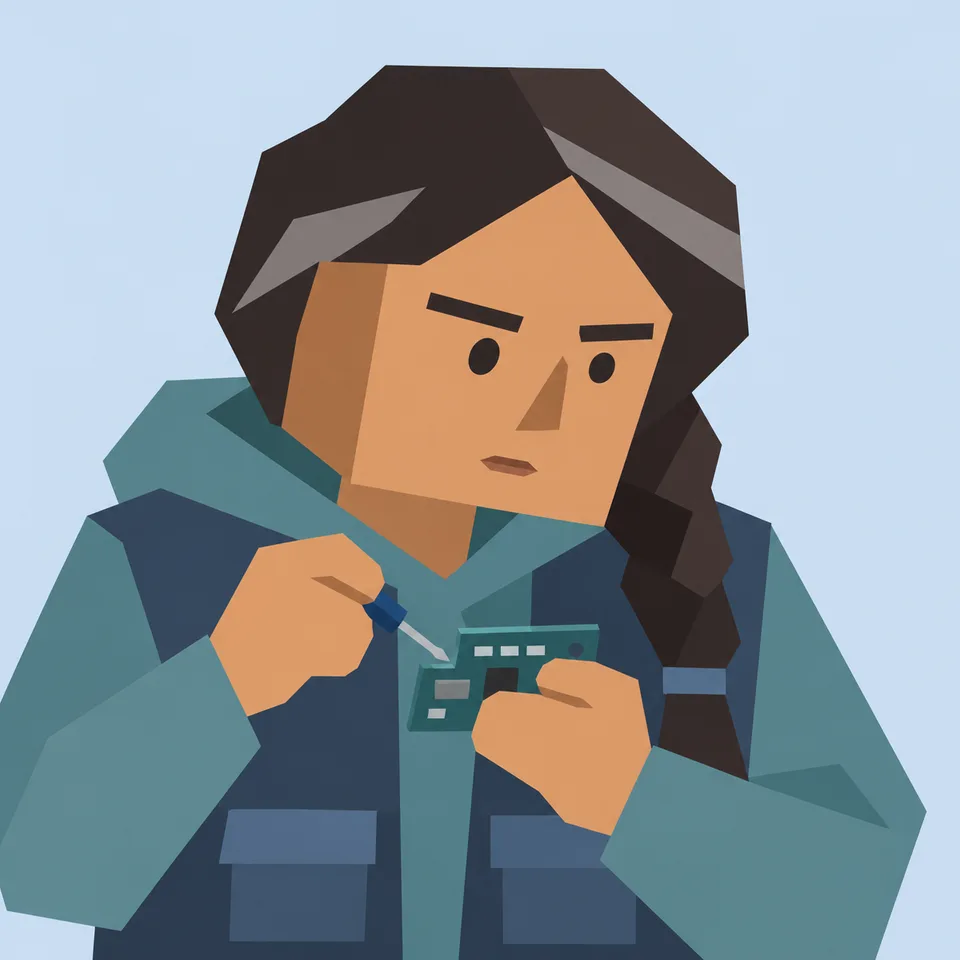 ISTP-TS